5 signs your team has outgrown its quoting process
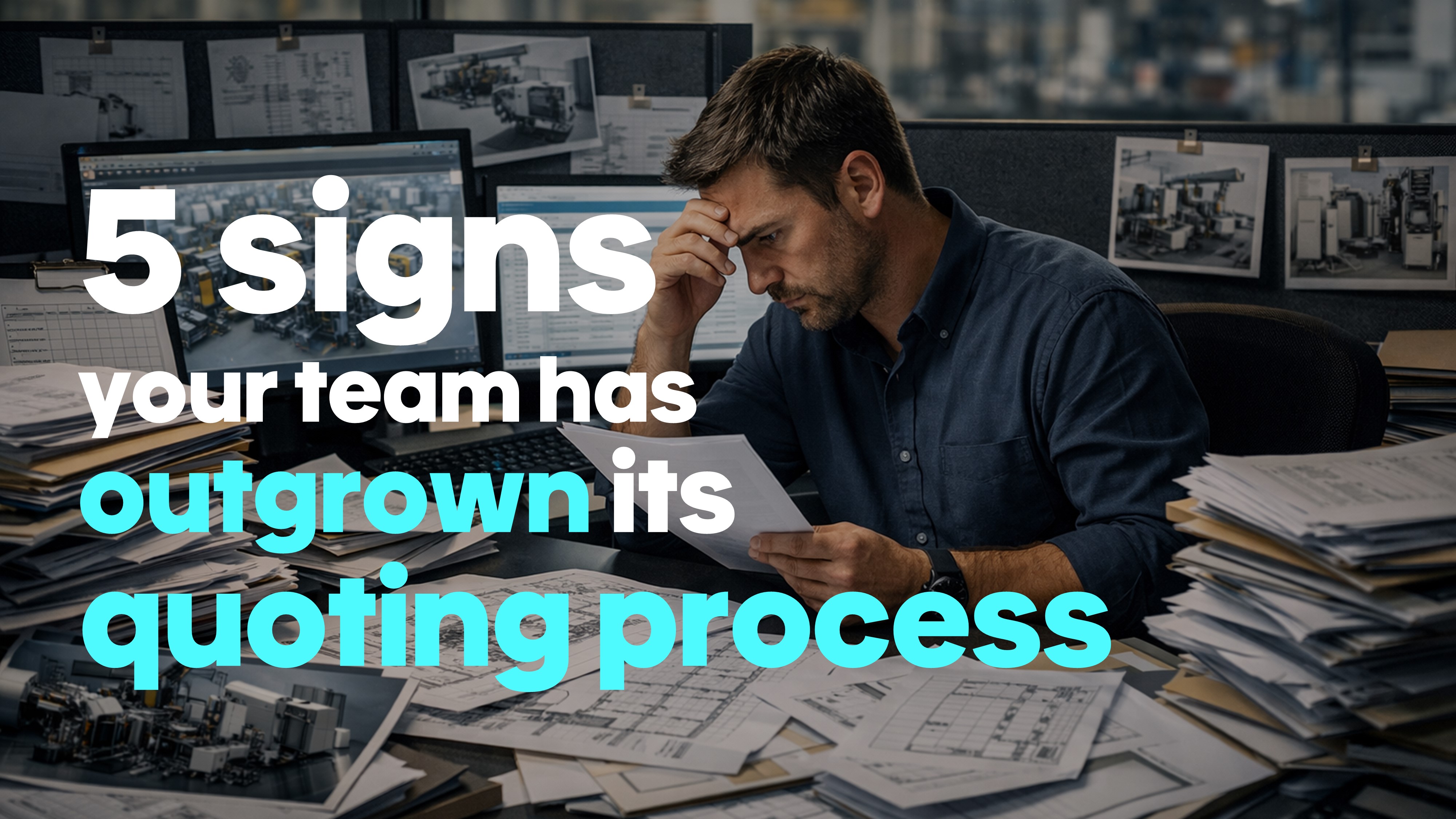
CAD is incredibly powerful for engineering. But when it becomes the default tool for proposal visuals, it often adds more work, more specialized effort, and more delay than the quoting process should require.
In many OEM organizations, quoting processes were not built for the speed and volume the market now demands. As quote activity increases, the limitations of those workflows become harder to ignore.
One of the biggest reasons is that proposal visuals still depend on CAD and other specialized tools that require skilled technical team members to use effectively. As a result, pre-sales visuals often have to pass through engineering, a design office, or another technical support function before aquote can move forward.
The challenge is not just resource sharing, but scalability. In some organizations, proposal visuals compete directly with project engineering and delivery work for the same technical resources. In others, dedicated proposal support may ease that pressure, but if creating visuals still requires significant time and specialized expertise, the process itself eventuallybecomes a bottleneck.
If that sounds familiar, your team may have outgrown its current quoting process.
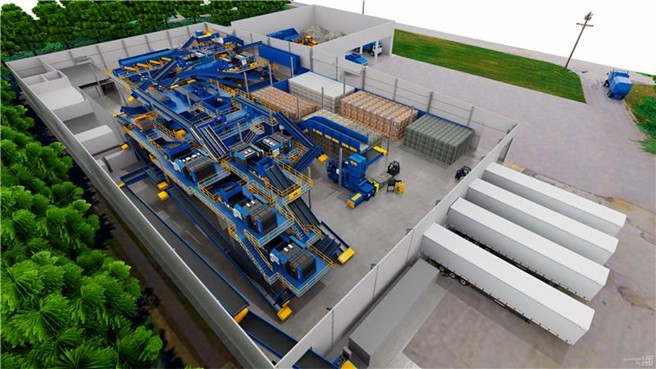
1. Proposal turnaround is becoming too slow
One of the earliest signs that a quoting process is no longer sustainable is when proposal turnaround starts taking longer than the business needs it to.
At first, the delays may seem manageable. A quote takes an extra day. Visuals are not ready as quickly as expected. Internal follow-ups increase justto keep opportunities moving. But over time, those delays begin to affect responsiveness more consistently, especially as quote volume increases.
In many cases, the issue is not lack of effort. It is that producing proposal visuals requires too much time, too many steps, or too much involvement from specialized technical resources. When that happens, even as trong team can struggle to keep pace.
If proposal timelines are becoming harder to control, it is often a sign that the process behind them is no longer built to scale.
2. You are losing bids because youcan’t quote fast enough
In competitive sales cycles, speed matters. Even when the solution is strong, a slow response can reduce momentum and give competitors an opening.
When proposal creation depends on lengthy workflows, specialized tools, or too many internal handoffs, turnaround becomes harder to control. Quotes take longer to prepare, follow-up conversations get delayed, and opportunities can lose energy before the customer has a clear view of the solution.
This does not mean every lost bid comes down to speed. But if your team is consistently slower to respond than the market expects, quoting delay can quickly become a real commercial disadvantage.
If faster-moving competitors are getting in front of customers sooner, it may be a sign that your quoting process is costing you more opportunities than you realize.
3. You are skipping RFQs because the effort to bid feels too high
Another clear sign of an unsustainable quoting process is when the work required to respond starts influencing which opportunities the team is willing to pursue.
In theory, RFQs should be evaluated based on strategic fit, potential value, and likelihood of success. In practice, when proposal creation is too slow or too resource-intensive, teams often become more selective for operational reasons. Some opportunities are delayed, deprioritized, or skipped simply because the effort to produce a credible bid feels too high.
This is especially common when creating proposal visuals requires significant time from specialized technical resources. Even promising opportunities can be hard to justify if the quoting process consumes too much effort upfront.
When the cost of responding starts limiting the number of bids your business can realistically pursue, it is a strong sign that the process is no longer scaling the way it should.
4. Customers need too many follow-ups to understand the proposed solution
A quote can be technically accurate and still fail to create clarity.
When proposal visuals are hard to produce, they are often simplified, delayed, or left out altogether. The result is a proposal that may contain the right information, but does not help the customer quickly understand what is being proposed.
That usually leads to more follow-up questions, more clarification, and more back-and-forth before the opportunity can move forward. Instead of accelerating alignment, the quote becomes the start of a longer explanation process.
When that happens repeatedly, it is often a sign that the quoting process is not giving the business an efficient way to communicate solutions clearly at the pre-sales stage.
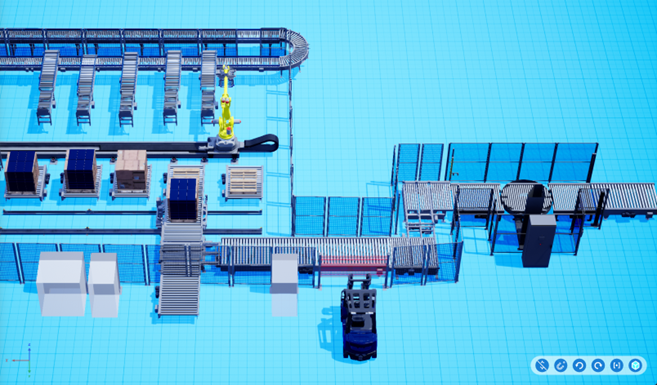
5. Project delivery is being affectedby pre-sales support demands
The impact of an inefficient quoting process does not stop once the deal is won.
When skilled technical team members spend too much time supporting proposal creation, that effort is no longer available for project engineering, design, and delivery activities. In organizations where those resources are shared, the effect can be direct. In organizations with dedicated proposal support, the issue may show up differently, but the underlying scalability problem remains if the workflow still depends on specialized, hard-to-replace expertise.
Over time, this can create downstream pressure on execution. Priorities compete, handoffs become heavier, and the teams needed to deliver sold projects may already be stretched before the work fully begins.
If pre-sales support is starting to affect the capacity or pace of project delivery, it is a strong sign that the quoting process is creating strain beyond the sales stage.
Conclusion
A quoting process rarely becomes unsustainable overnight. More often, the warning signs build gradually: turnaround slows down, bid capacity becomes harder to expand, customers need more clarification, and technical resources feel increasing pressure from pre-sales demands.
What makes this especially difficult is that many of these issues can look manageable in isolation. A delayed quote, a skipped RFQ, or an overloaded technical team may seem like separate problems. In reality, they often point to the same underlying issue: the process used to create proposal visuals is too slow, too specialized, and too difficult to scale.
For OEM businesses looking to grow without adding unnecessary complexity, that is an important distinction. The goal is not just to produce visuals faster. It is to give sales and applications team members a more efficient way to create clear, customer-ready proposals, while preserving technical expertise for the work that needs it most.
Rethinking how proposal visuals are created can help remove a hidden constraint from the sales process and create a quoting workflow that is faster, easier to scale, and better aligned with the demands of the business.
That is exactly the kind of challenge Liveline® is built to solve, helping OEM team members create sales-ready visuals faster, with less dependence on complex CAD workflows and specialized technical resources.



.jpg)